Why the Wealthy Use Trusts — And Why You Should Too
![[HERO] Why the Wealthy Use Trusts : And Why You Should Too](https://cdn.marblism.com/RxZ9N0CSsnB.webp)
Let’s have a real conversation. When you hear the word “Trust Fund,” what’s the first thing that pops into your head? If you’re like most people, you’re probably picturing a kid in a tailored suit on a yacht, or maybe a massive estate with a gate so high you can’t see the house.
For decades, the media and the financial industry have done a great job of making "Trusts" feel like an exclusive club for billionaires and the 1%. But here’s the secret they don’t tell you: A trust isn’t just a luxury for the ultra-wealthy. It is a strategic tool: a financial blueprint: that anyone serious about building and protecting a legacy should be using.
At Carter Industries, we’re all about strategic financial structuring. We help entrepreneurs and families move from "just getting by" to building generational wealth. And if you want to play the game at a high level, you need to understand why a trust is your most powerful move on the board.
The Strategy of the Fortress: Asset Protection
Think of your wealth like a kingdom. As you build it, you’re naturally going to attract "invaders." These could be creditors, frivolous lawsuits, or even messy divorces. If you own everything in your personal name, you are a walking target. One bad legal day could wipe out a decade of hard work.
The wealthy don’t "own" things; they control them. By moving your assets: whether that’s real estate, business interests, or investment accounts: into a properly structured trust, you are effectively putting them inside a vault.
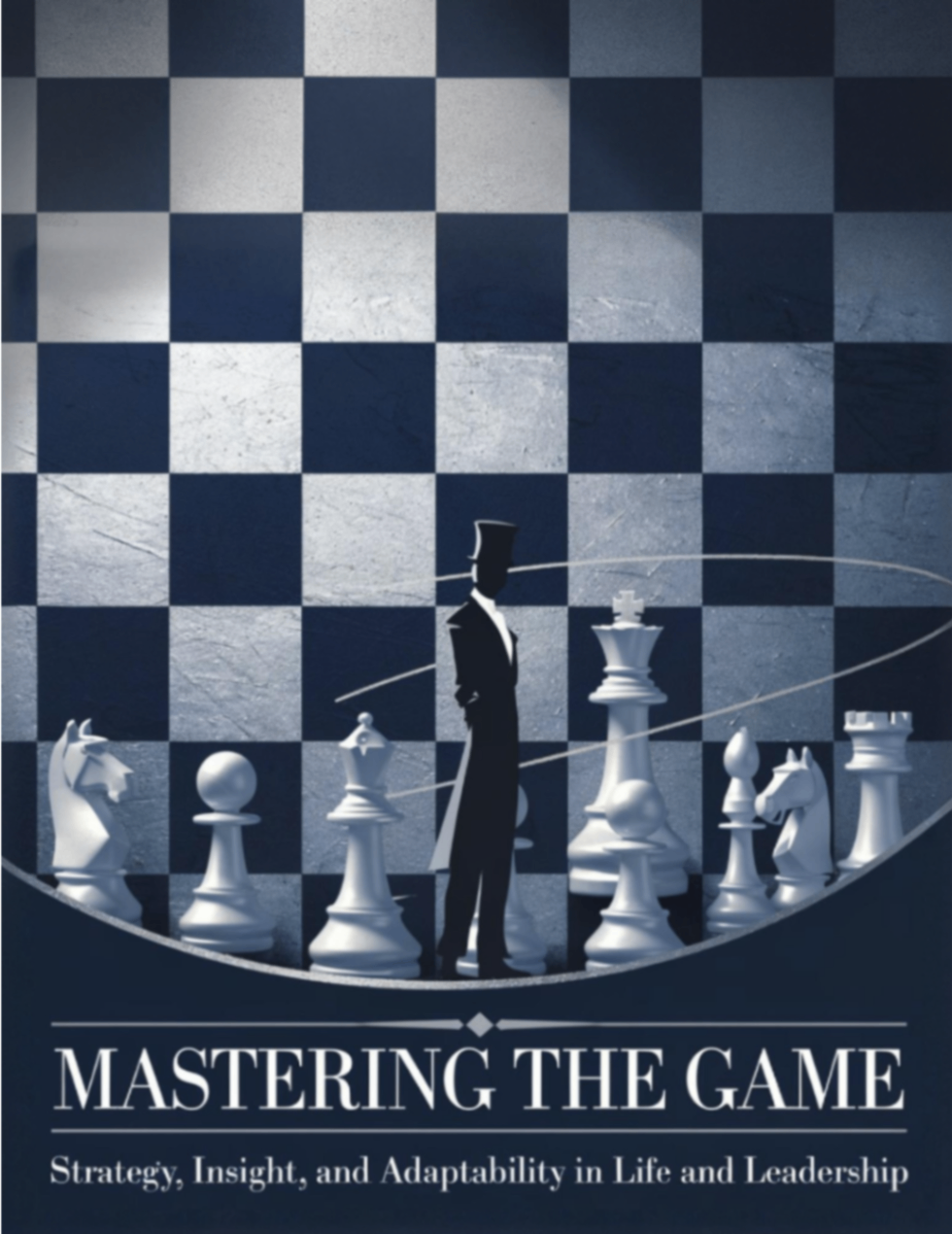
When assets are held in an irrevocable trust, they generally aren’t considered part of your personal estate. This means if someone sues you personally, those assets are often out of reach. It’s about creating a layer of separation between you and your liability. At Carter Industries, we call this "playing chess, not checkers." You’re thinking three moves ahead to ensure that what you build today stays with your family tomorrow.
The "Rockefeller" Approach to Generational Wealth
There’s a reason why families like the Rockefellers or the Waltons have maintained their wealth for generations while other families lose it by the second or third generation. It’s not just about how much money they have; it’s about how they structured it.
Most people leave a simple will. A will says, "When I die, give everything to my kids." Sounds fair, right? But what happens if your 22-year-old inherits $500,000 all at once? They might be responsible, or they might buy a fleet of cars and have a very expensive year.
A trust allows you to exert "dead hand control": in a good way. You can set the rules. You can stipulate that beneficiaries only receive money for:
- Education: Paying for college or vocational training.
- Milestones: Receiving a portion of the inheritance at age 25, 30, and 35.
- Incentives: Matching the income they earn from their own job to encourage a work ethic.
By using these "Rockefeller Principles," you aren't just handing over cash; you’re handing over a system for success. You’re ensuring that the wealth you’ve built serves as a foundation, not a crutch.
Why You Need a Trust (Even If You Aren't a Billionaire Yet)
If you have a house, a small business, or even a life insurance policy, you have enough to justify a trust. Here are three practical reasons why "regular" high-achievers use them:
1. Avoiding the "Probate Tax" (And the Headache)
Probate is the legal process of proving a will. It is slow, expensive, and: worst of all: public. Depending on where you live, probate can take six months to two years, and attorney fees can eat up 3% to 7% of your estate's value.
When you have a trust, your assets pass directly to your beneficiaries. There is no court intervention, no "probate fee," and your family gets access to the money immediately to pay for funeral costs or mortgage payments.
2. Privacy is a Commodity
Did you know that once a will goes to probate, it becomes a public record? Anyone can go down to the courthouse and see exactly what you owned, who you owed money to, and who is getting what. In an age where identity theft and "frenemies" are everywhere, privacy is a strategic advantage. A trust is a private contract. No one needs to know your business but you and your trustee.
3. Incapacity Planning
We don't like to think about it, but what happens if you’re in a car accident and end up in a coma for three months? If your assets are in your name, your family might have to go to court just to get permission to spend your money on your bills. A revocable living trust includes provisions for a "successor trustee" who can step in immediately and manage your affairs without a single court date.
Tax Efficiency: Keeping More of What You Earn
Let’s talk about the "T" word. The government is a silent partner in everything you do, but a trust helps you renegotiate that partnership.
While tax laws change, certain types of irrevocable trusts can remove assets from your taxable estate. This is crucial if you’re an entrepreneur whose business value is skyrocketing. By moving shares of your company into a trust early on, the future growth of that company happens outside of your personal estate.
When it comes time to exit your business or pass it on, the tax savings can be the difference between a legacy that lasts 100 years and one that gets taxed into oblivion in one generation. If you're looking for strategic business funding or looking to scale, your underlying structure is what lenders and investors look at to see if you're a "serious" player.

Types of Trusts to Consider
Not all trusts are created equal. Depending on your goals at Carter Industries, we might look at:
- Revocable Living Trust: The "starter" trust. You keep total control while you're alive and can change it anytime. Great for avoiding probate.
- Irrevocable Trust: You give up some control to gain massive asset protection and tax benefits. This is the "Fortress."
- Special Needs Trust: Designed to provide for a loved one with disabilities without disqualifying them from government benefits.
- Charitable Trusts: For those who want to leave a mark on the world while receiving an immediate tax deduction.
The Bottom Line
A trust is not a "set it and forget it" document; it is a living part of your financial strategy. It’s the difference between having a "pile of money" and having a "financial empire."
At Carter Industries, we see too many hard-working people build incredible businesses only to lose them because they didn't have the right structure in place. They had the hustle, but they didn't have the strategy.

Whether you’re looking to protect your current assets, plan for your children's future, or optimize your business for funding and growth, a trust should be a cornerstone of your plan.
Don't wait until you think you're "rich enough" to have a trust. You use a trust so that you can become wealthy and stay wealthy.
Ready to get your structure right? Let’s stop playing defense and start playing offense with your legacy. Reach out to us at Carter Industries today, and let’s build something that lasts.